Utility Distribution Systems
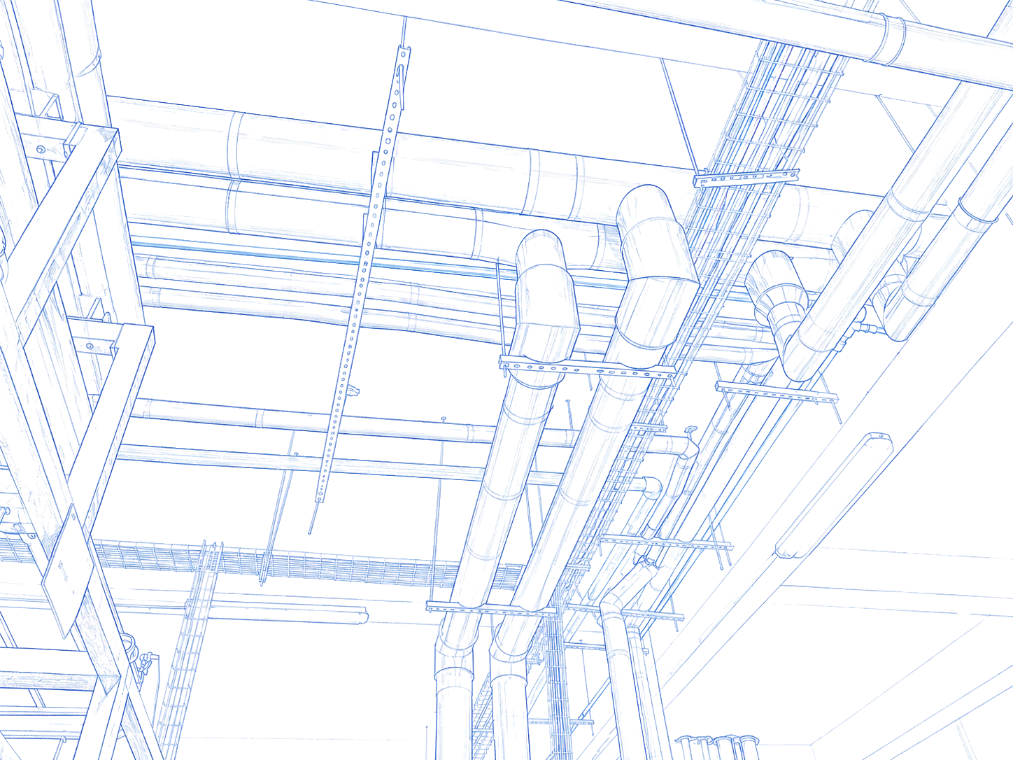
Clean and black utility distribution is coordinated from system headers to points of use around demand, pressure, routing and operational requirements.
From pumps and manifolds to piping networks, drainage and packaged equipment, we coordinate mechanical systems around flow, pressure, hygiene, accessibility and long-term maintenance.
Each system is developed with process equipment, utility requirements and the facility layout in mind, helping reduce installation conflicts and operational complexity.
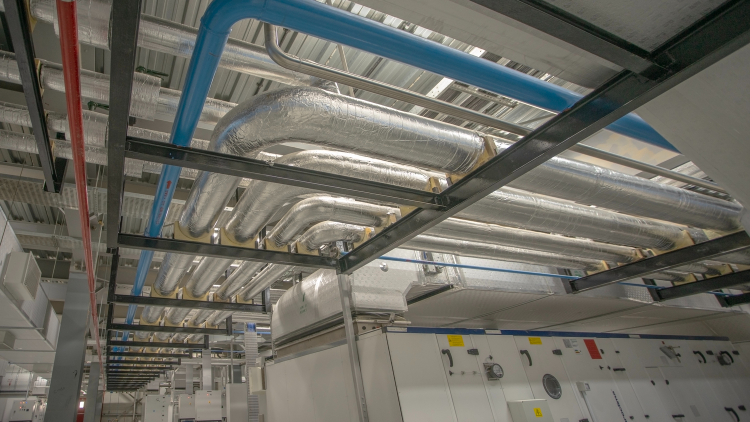
Our mechanical approach begins by defining what each system must deliver, including flow, pressure, temperature, material compatibility and operating conditions.
Pumps, manifolds, valves, piping, supports, drainage and packaged equipment are coordinated with process connections, utility requirements and the facility layout. This ensures distribution, accessibility, maintenance and installation are resolved as one mechanical strategy.
Mechanical equipment and piping systems are developed around flow requirements, process interfaces, maintainability, safe operation and long-term reliability.
Clean and black utility distribution is coordinated from system headers to points of use around demand, pressure, routing and operational requirements.
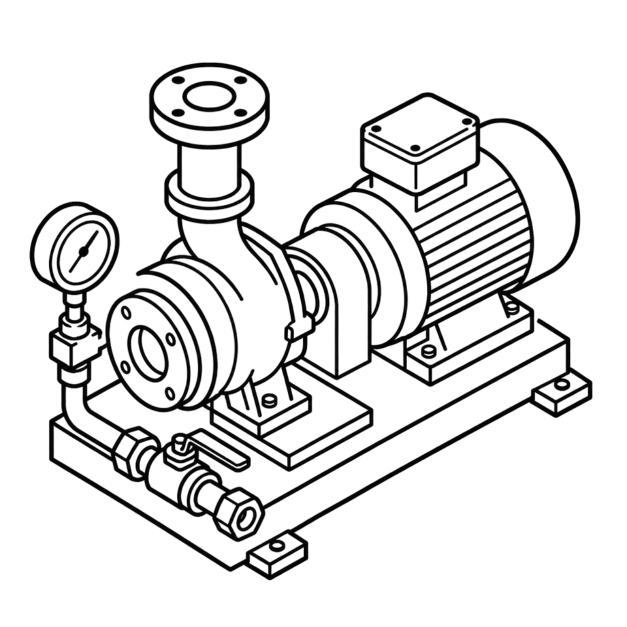
Pump systems and accessories are selected and coordinated around flow, pressure, maintainability and reliable performance.
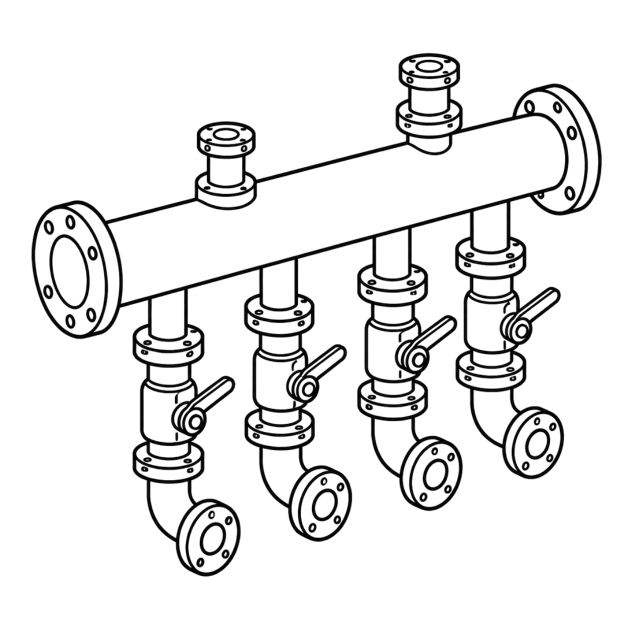
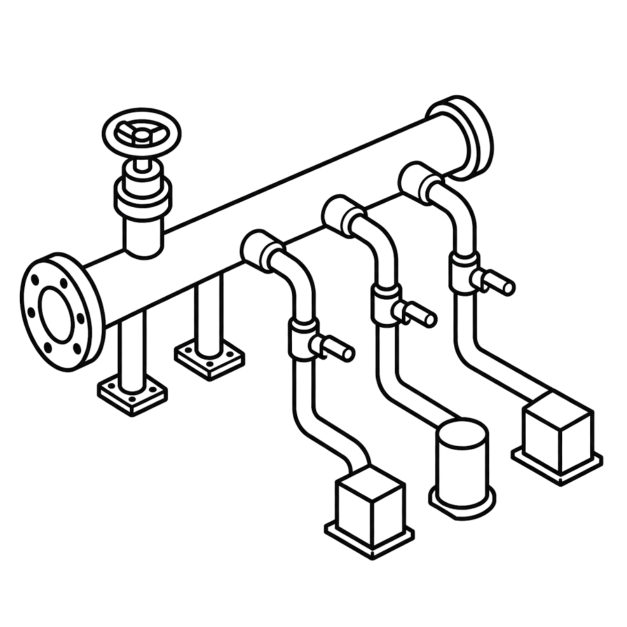
Manifold arrangements are planned for controlled distribution, system isolation, operational flexibility and ease of maintenance.
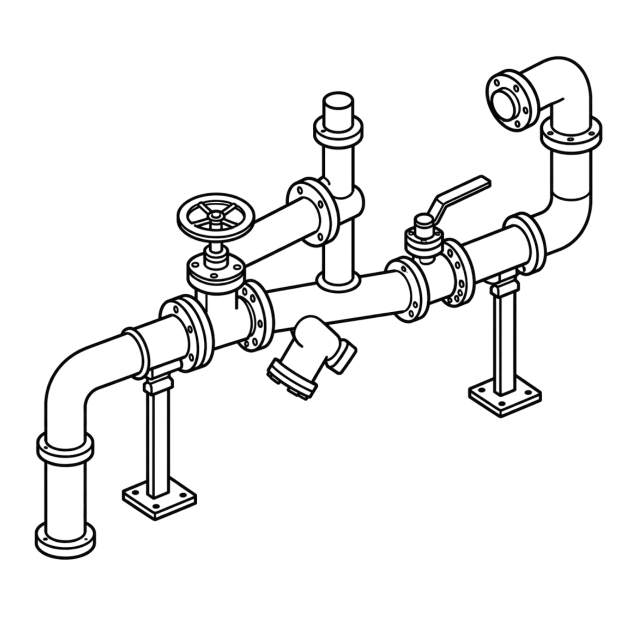
Piping networks, valves, fittings and accessories are specified and routed around service conditions, material compatibility, maintainability and hygienic requirements where applicable
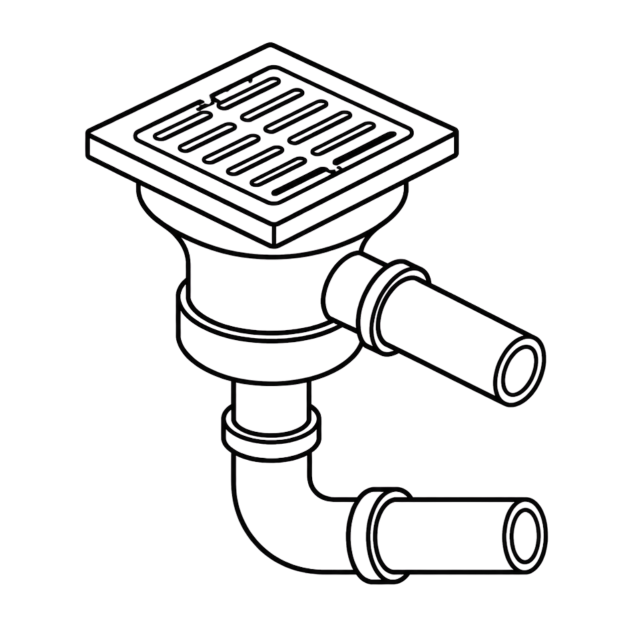
Plumbing and drainage systems are planned around hygiene, safety, maintainability and facility-specific operating requirements.
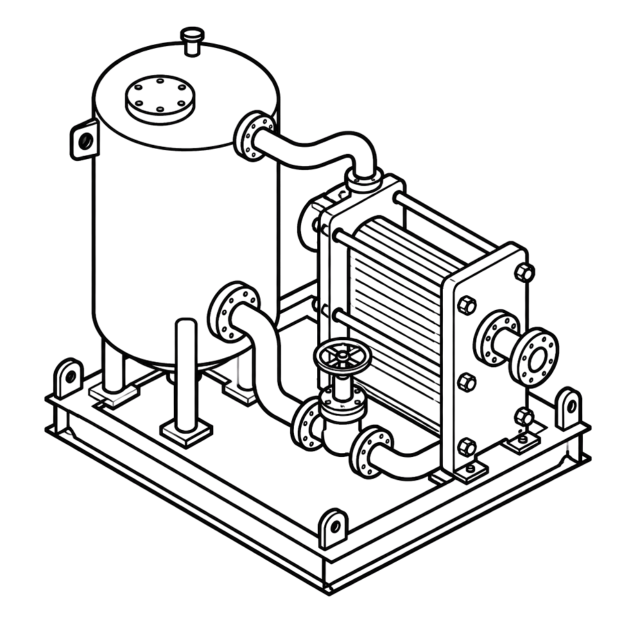
Packaged skids, tanks and heat exchangers are integrated around process interfaces, utility requirements, operating conditions and maintenance access.
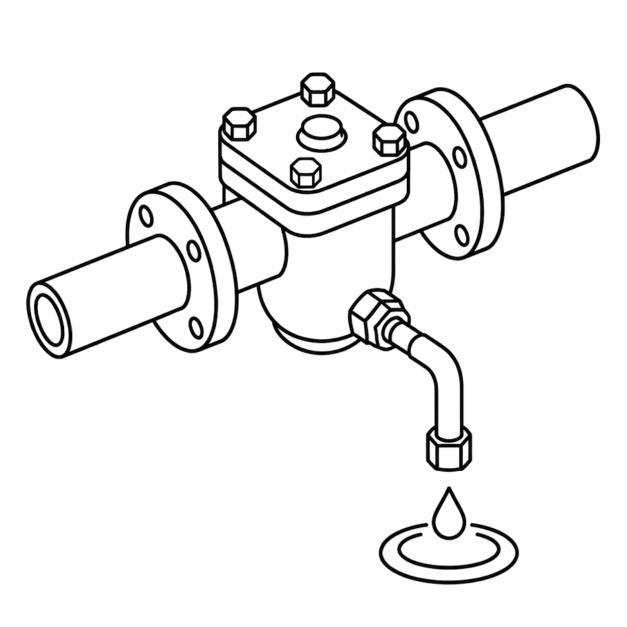
Steam-trap type and location are selected around condensate load, pressure conditions, drainage and maintenance requirements.
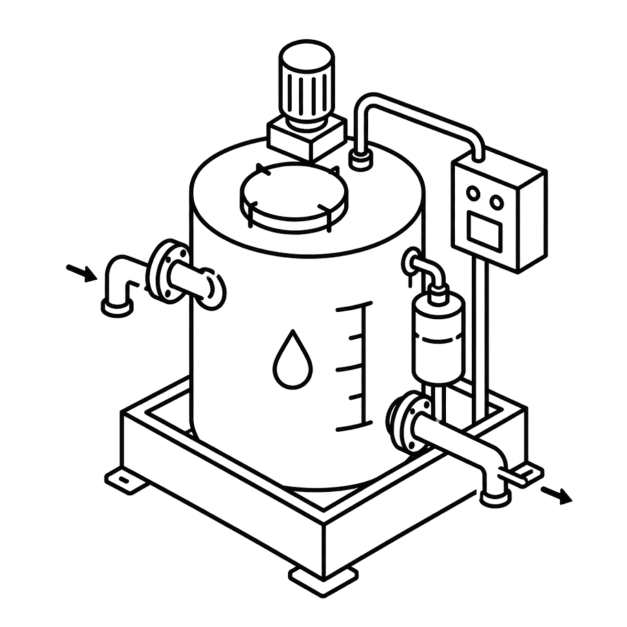
Neutralization and Biokill systems are incorporated where required for controlled handling of liquid waste before discharge or downstream treatment.
Mechanical and piping systems are developed with reference to project specifications, service conditions, material requirements, local-authority expectations and applicable engineering standards.
Note: Standards are applied according to service, material, hygienic requirements, project specifications and applicable local regulations.
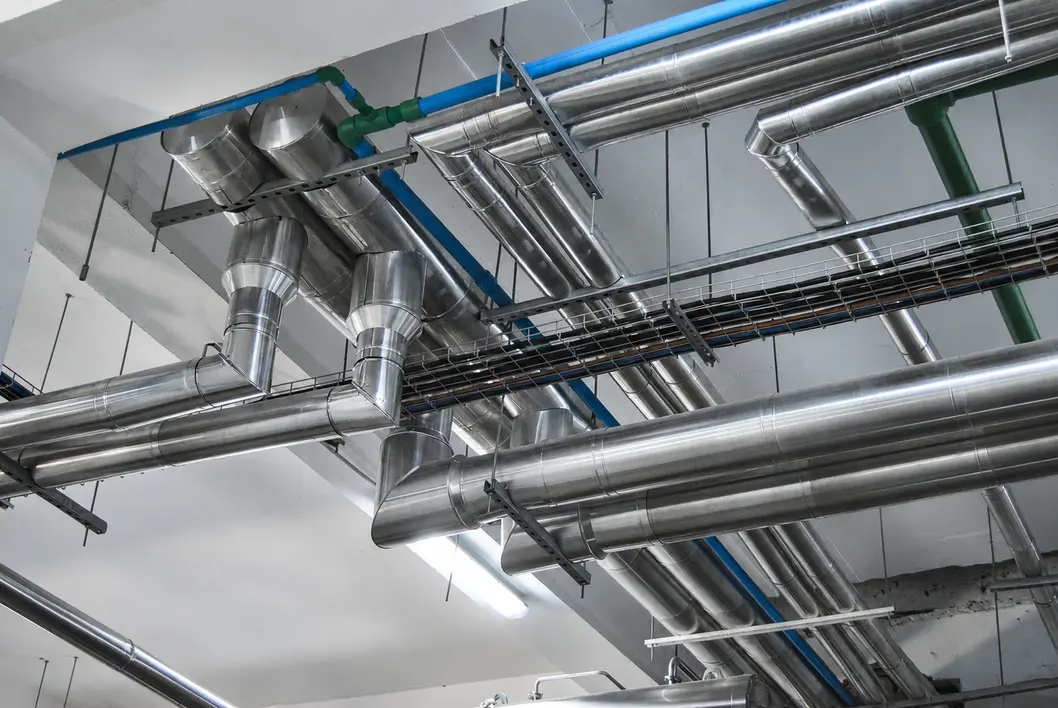
We define utility quality, capacity and operating conditions at the system level. Piping integration then takes those requirements through pumps, manifolds, distribution routes, equipment connections, drainage and points of use.
We typically need the service medium, required flow, pressure and temperature, equipment connections, facility layout, material requirements and maintenance needs. These inputs form the basis for sizing and routing.
We assess demand, pressure loss, flow velocity, elevation, simultaneous use, equipment duty and redundancy needs so the distribution system performs reliably across operating conditions.
We consider material selection, surface finish, slope, drainability, weld quality and dead-leg control so hygienic systems can be effectively cleaned and maintained.
Yes. We review existing capacity, available routes, tie-in points and shutdown constraints, then plan phased installation and controlled connections to reduce disruption to ongoing operations.
Depending on the system, we may include material and weld review, visual inspection, pressure or leak testing, flushing, equipment checks and as-built verification before handover.
Mechanical equipment duties and electrical requirements are coordinated as the systems develop, aligning connected loads, power distribution and equipment interfaces across the facility.