CQV Master Planning
Structured planning that defines the CQV strategy, system boundaries, responsibilities, testing approach and execution pathway.
CQV requirements are integrated from the design stage, helping systems move through specification, installation, testing and documentation with operational readiness in mind.
Our approach connects commissioning, qualification and validation activities across the project lifecycle, creating a clear pathway from approved requirements to demonstrated performance.
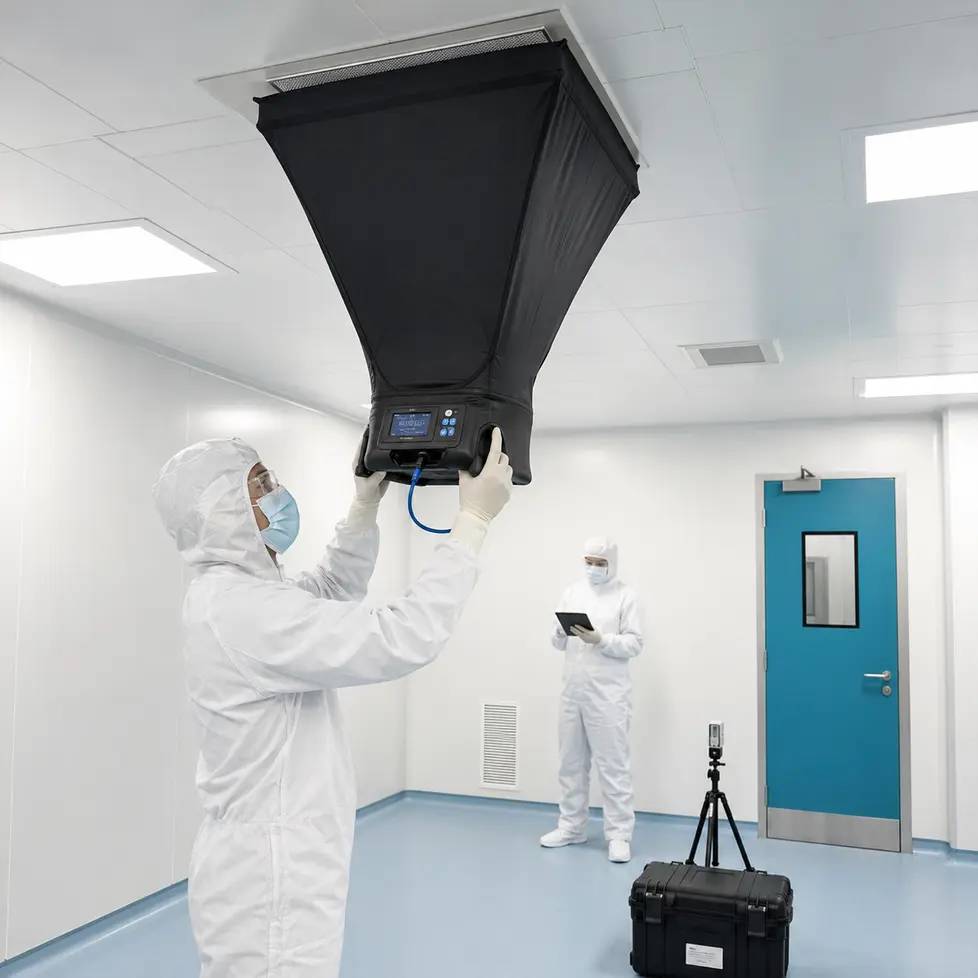
CQV planning begins by defining system boundaries, responsibilities, critical requirements and the evidence needed to demonstrate readiness.
Design reviews, installation checks, functional testing and performance verification are then connected through a controlled sequence. This helps maintain traceability between what was required, what was installed and how the system performs.
A coordinated CQV strategy brings planning, risk assessment, protocol execution and system verification into one controlled framework.
Structured planning that defines the CQV strategy, system boundaries, responsibilities, testing approach and execution pathway.
Cleaning-validation strategy developed around product-contact surfaces, cleaning processes, acceptance criteria and documentation requirements.
Planning and execution support to demonstrate that manufacturing processes can consistently deliver the intended quality outcome.

CQV activities shaped through risk-based thinking, with effort focused according to system criticality and potential quality impact.

Qualification and validation support across critical equipment, utilities, HVAC, automation, cleanrooms and process-related systems according to their intended use and GMP impact.

Preparation and execution support for qualification and validation protocols across key project stages.
The qualification pathway progresses from confirming the design basis to verifying installation, operation and performance under expected conditions.
Design intent, specifications and system requirements reviewed for alignment with user needs and GMP expectations.
Systems and equipment verified against approved designs, specifications and manufacturer requirements.
Systems tested to confirm operation within defined ranges, functions and control parameters.
Equipment and systems verified for consistent performance under expected operating conditions.
CQV and validation activities are planned with reference to applicable regulatory expectations, project requirements, site quality systems and recognised industry guidance.
Note: The final CQV strategy depends on the system scope, product, process, project location, regulatory pathway and site quality requirements.
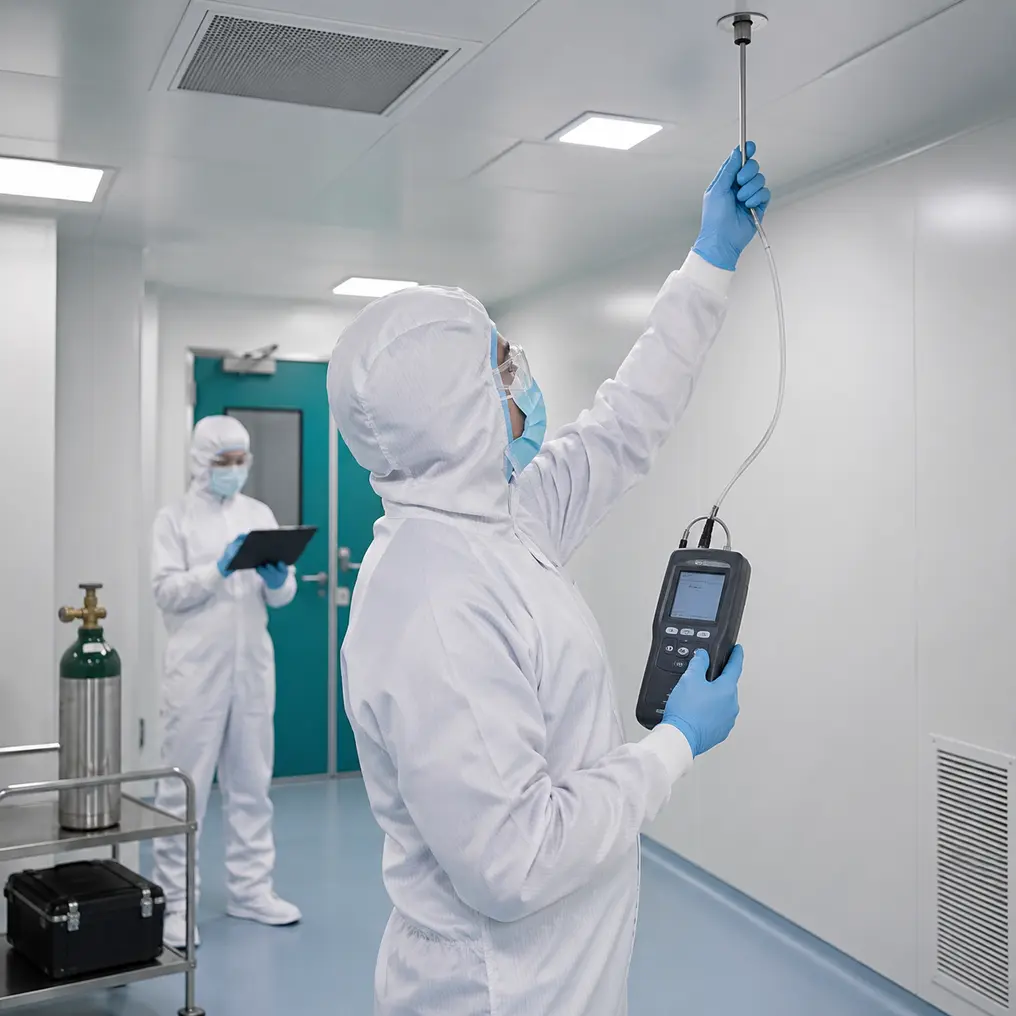
We recommend starting CQV planning during design. User requirements, system boundaries, critical requirements, acceptance criteria and documentation expectations should be defined early so they remain traceable through qualification and validation. EU GMP Annex 15 treats qualification and validation as lifecycle activities and uses the URS as a key reference for subsequent qualification.
Commissioning demonstrates that installed systems function as intended from an engineering perspective. Qualification provides documented evidence that facilities, equipment and utilities meet approved requirements, while validation demonstrates that processes or applicable systems consistently achieve their intended results.
We determine the scope through quality-risk assessment and the project validation strategy. It may include cleanrooms, HVAC, critical utilities, process equipment, automation and other systems that can affect product quality or patient safety. EU GMP Annex 15 requires a risk-based approach when determining the scope and extent of qualification and validation.
No. We align testing, documentation and review with the system’s criticality and potential quality impact. ICH Q9(R1) states that the level of effort, formality and documentation used in quality risk management should be proportionate to the level of risk.
Yes, where the evidence is relevant, traceable and formally reviewed. Suitable testing completed earlier in the project may support qualification where justified, helping avoid unnecessary repetition while maintaining the required evidence trail.
Common causes include incomplete installation, missing vendor documents, unavailable calibration records, unresolved critical punch items, unapproved changes, protocol deviations and systems that are not ready for testing. We work to identify these readiness gaps before qualification activities begin.
A coordinated CQV strategy helps connect design intent, installation evidence, functional testing and performance verification through one traceable pathway.