Purified Water
Purified-water systems planned around process use, quality requirements and dependable supply.
From purified water and process air to chilled water, steam and facility-support utilities, our approach focuses on reliable performance, operational control and long-term maintainability.
Each system is planned around process demand, quality requirements, pressure, flow, temperature, installation practicality and applicable engineering requirements.
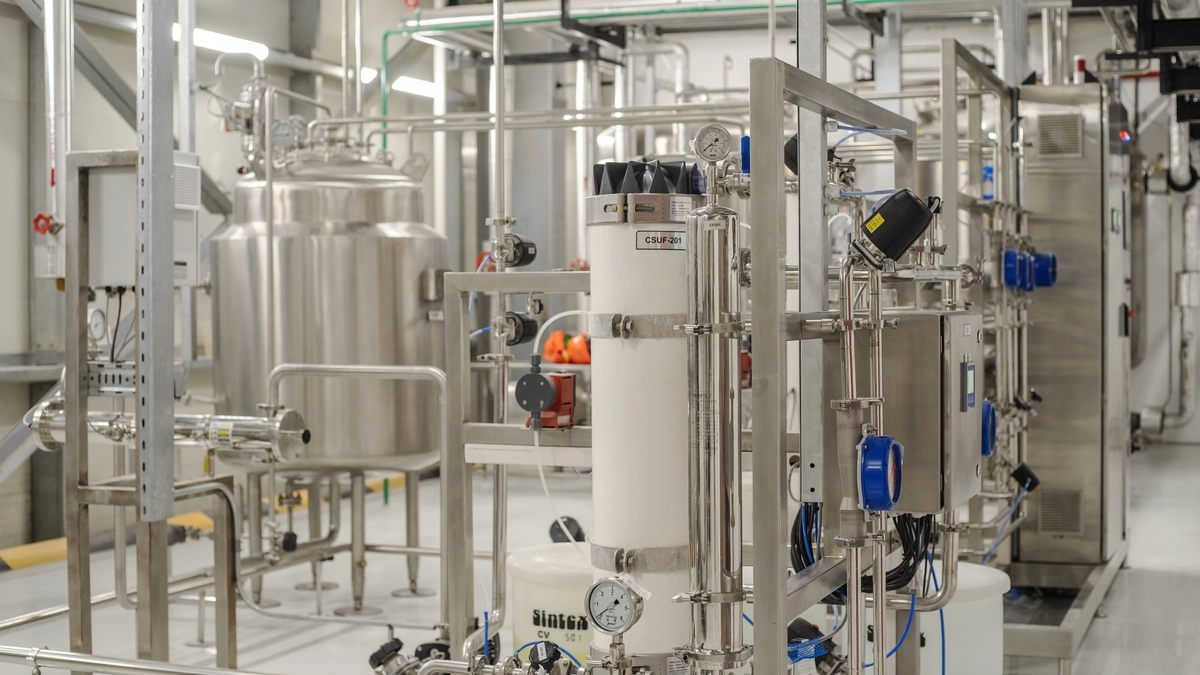
Utility requirements are developed around process needs, quality specifications, pressure, flow, temperature and operational continuity.
Clean and black utilities are considered according to their intended application and facility role. System performance, installation requirements, safety provisions and maintainability are coordinated from the beginning so the utility remains practical to operate throughout its lifecycle.
Clean utilities support pharmaceutical processes where defined utility quality and controlled conditions are critical.
Purified-water systems planned around process use, quality requirements and dependable supply.
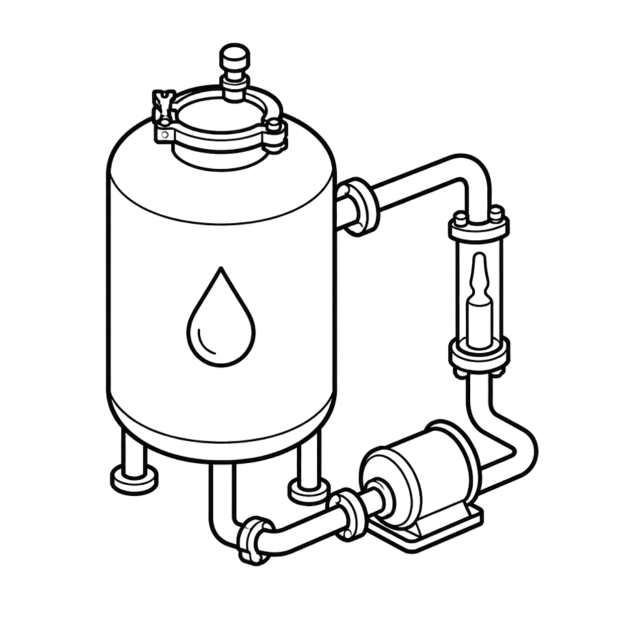
WFI systems developed for applications requiring controlled pharmaceutical-water quality and reliable operation.
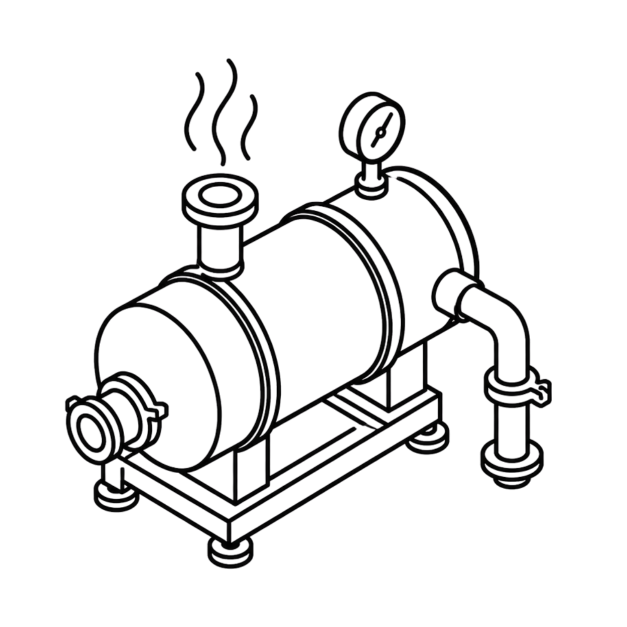
Pure-steam systems developed for sterilisation and other applications requiring defined steam quality.
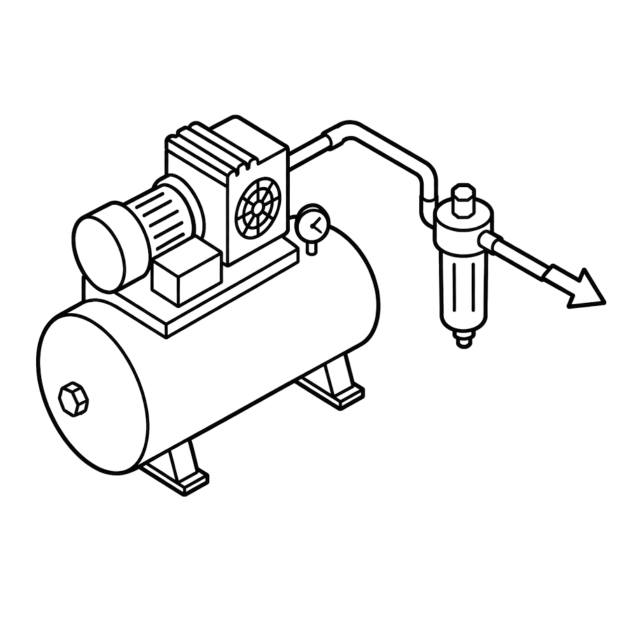
Air systems planned around the required application, pressure, quality and process demand.
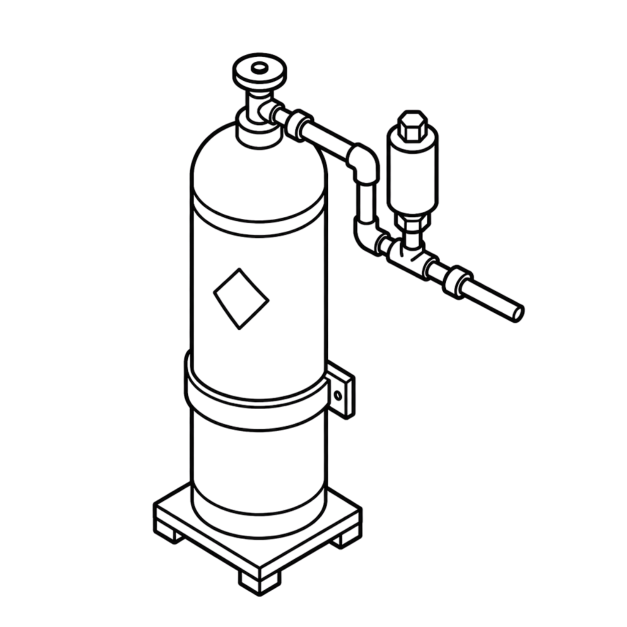
Nitrogen systems developed around process use, operating pressure, safety and continuity requirements.
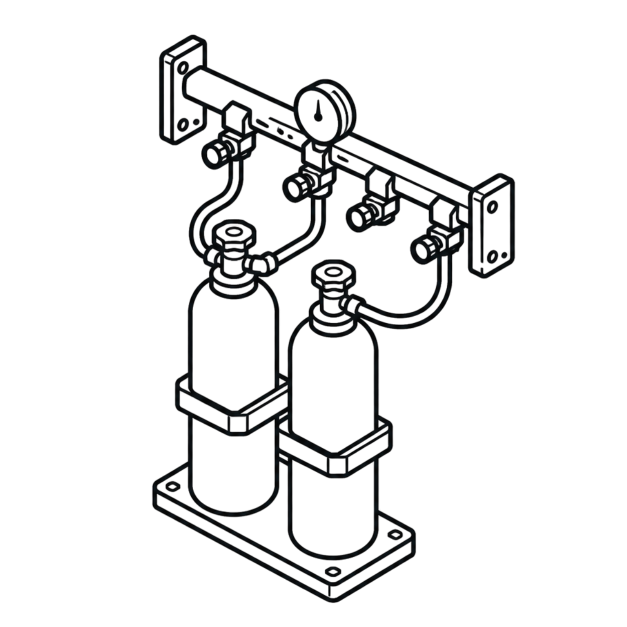
Laboratory-gas systems coordinated around equipment demand, required gas quality and safe operating conditions.
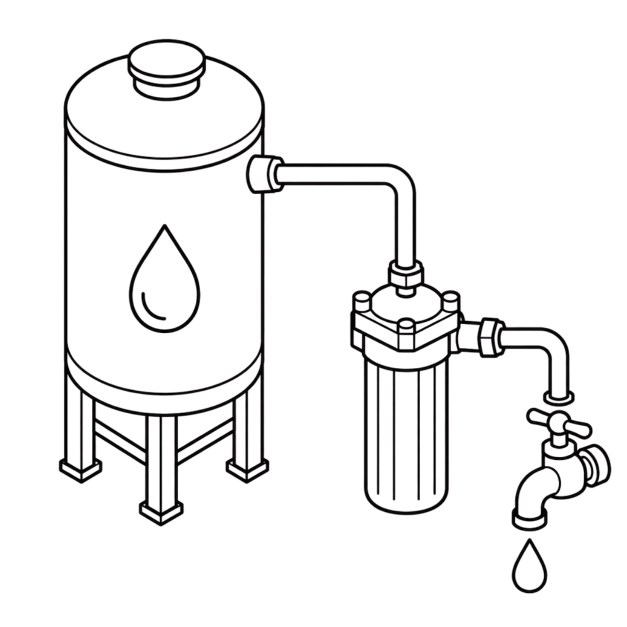
Water supply systems planned around source conditions, treatment requirements and reliable facility demand.
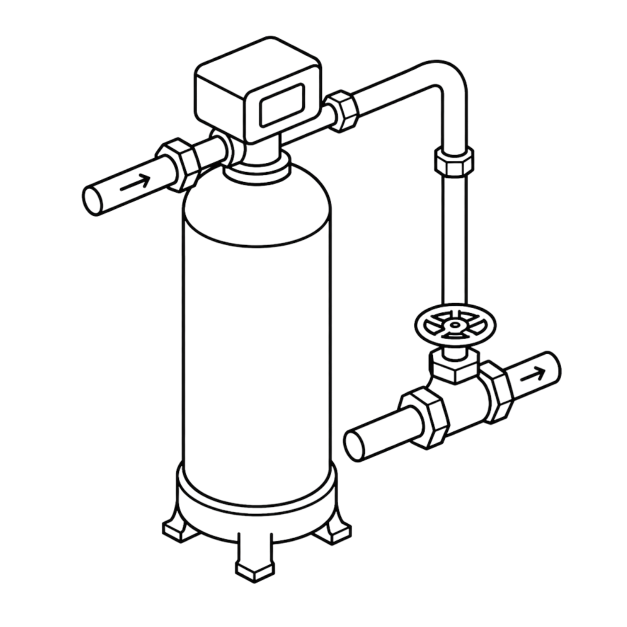
Soft-water systems planned to support equipment and processes requiring reduced hardness.
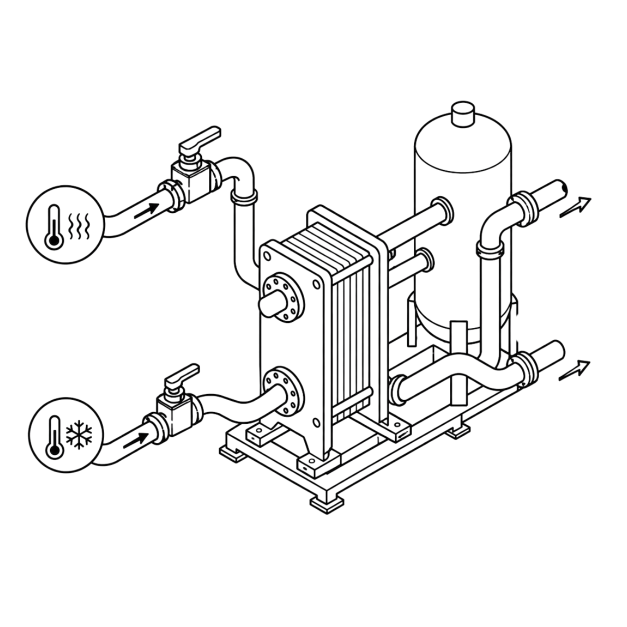
Heating and cooling-water systems coordinated around temperature, capacity, circulation and operating demand.
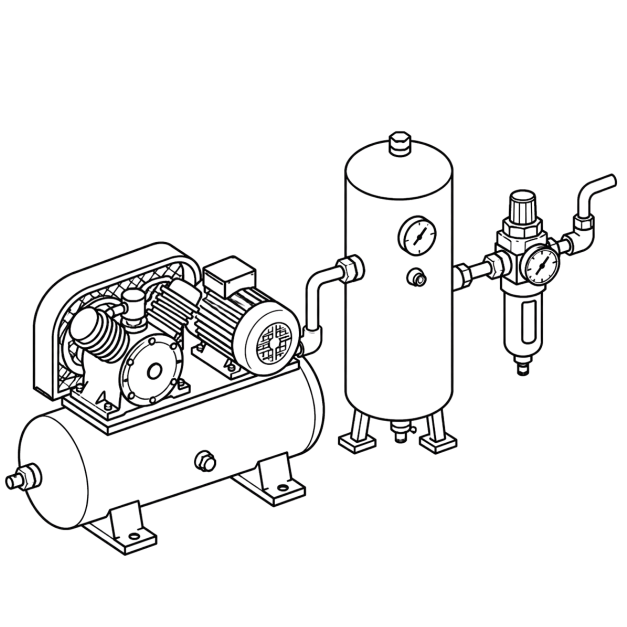
Air systems planned around equipment requirements, pressure, quality and operational reliability.
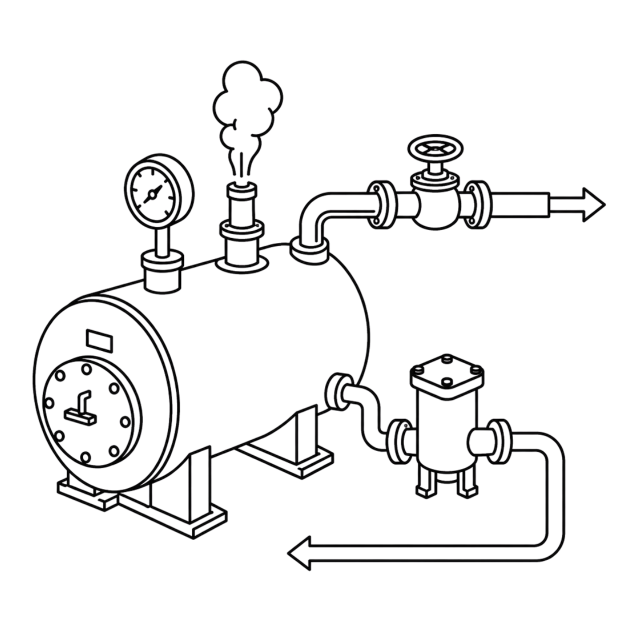
Boilers, steam distribution, heat recovery and condensate-return systems coordinated for efficient operation.
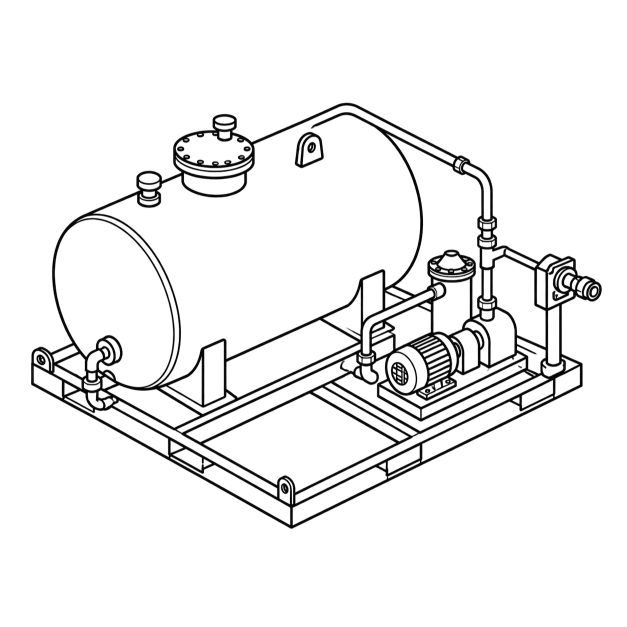
HSD storage and supply systems considered where required for boilers, generators or other facility-support equipment.
Safety measures are considered according to the utility medium, pressure, temperature, location and consequences of leakage or abnormal operation.
Automatic isolation is considered to control flow and reduce risk during leakage or abnormal conditions.
Pressure-relief provisions are planned to protect equipment and systems from operating beyond safe limits.
Venting arrangements are developed to release gases, equalise pressure and support safe system operation.
Detection systems are considered where gas leakage may create safety or operational risks.
Suitably rated equipment is specified where hazardous-area classification requires additional protection.
Flame arrestors are incorporated where required to help prevent flame propagation through gases or vapours.
Flashback protection is considered in gas applications where reverse flame travel could affect users or equipment.
Fire-safe valves are considered for hazardous operations and fuel-related systems where fire resistance is required.
Hot and cold insulation is planned to reduce energy loss, support system efficiency and protect personnel.
Vacuum breakers are incorporated where required to protect equipment from vacuum-related damage or unsafe conditions.
Utility systems and associated piping are developed with reference to project specifications, local-authority expectations and applicable engineering standards.
Note: Applicable references depend on the utility type, materials, service conditions, project location and regulatory requirements.
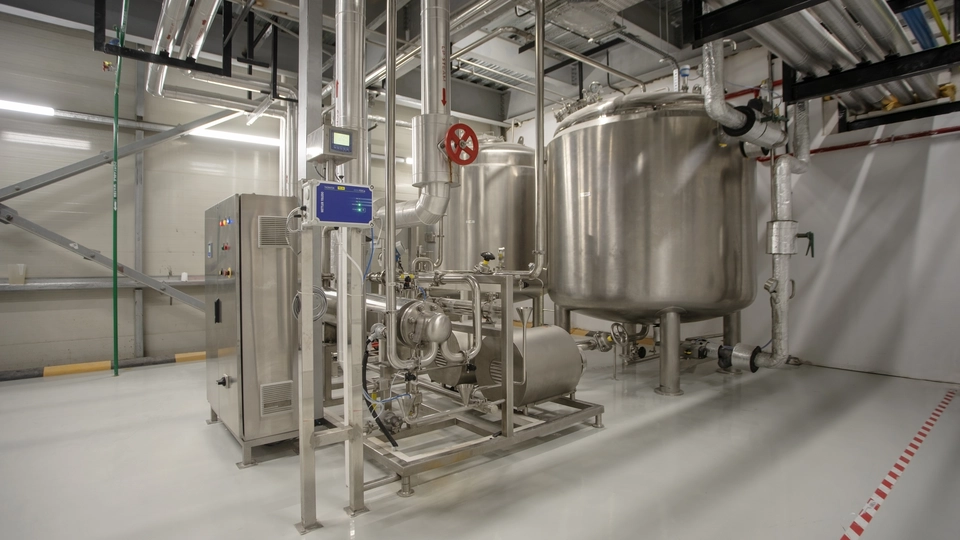
We define the utility requirement around your product, process, equipment, production capacity and quality requirements. Depending on the facility, this may include Purified Water, WFI, pure steam, process air, nitrogen, laboratory gases, chilled and hot water, instrument air and industrial steam.
We assess equipment loads, operating schedules, peak and simultaneous demand, storage needs and realistic future growth. This helps us size systems for actual operating conditions without unnecessary oversizing.
We assess how an interruption could affect production, product quality and facility operation, then define suitable storage, standby capacity, alarms, isolation arrangements and redundancy. This is technically well aligned with WHO pharmaceutical-water guidance, which specifically calls for capacity to cover minimum and peak demand and considers reliability, continuity and planned downtime.
Yes. We can plan connection points, space allowances and capacity provisions around a realistic expansion strategy so future equipment or production areas can be added with less disruption.
Yes. We first assess existing capacity, available space, tie-in points, shutdown needs and operating constraints. The integration can then be phased around planned connections and controlled shutdown windows.
We define the utility quality, demand, generation or treatment, storage, controls and continuity requirements. Detailed routing, manifolds, equipment connections, piperacks and points of use are then coordinated through our Mechanical Systems & Piping Integration scope.
As utility requirements are developed, pumps, manifolds, piping, equipment connections and points of use are coordinated throughout the facility through the Mechanical Systems & Piping Integration scope.