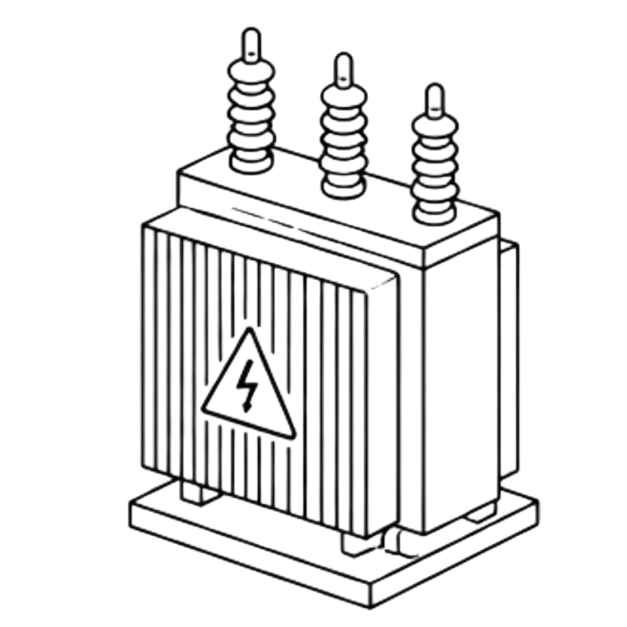
Transformer & DG Sizing
Primary and standby power sources sized around facility load, operating dependency and backup requirements.
From transformer and DG sizing to panel distribution, UPS planning, voltage-drop studies and lighting design, our electrical approach focuses on safe power delivery, operational continuity and facility-specific performance.
Every system is planned around load requirements, protection, maintainability and applicable regulatory
expectations.
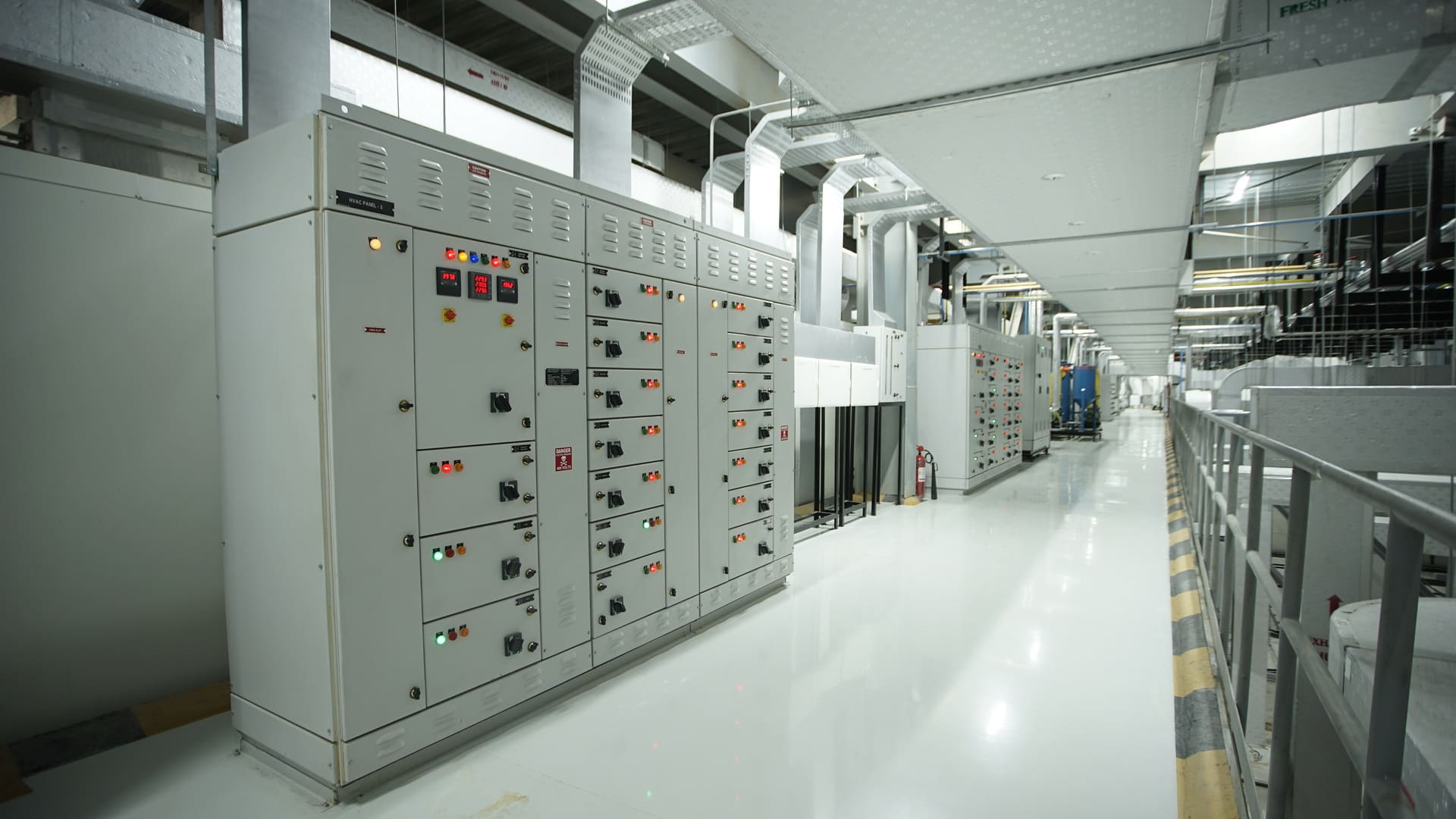
Incoming power, distribution and final connections are coordinated with room functions, process equipment and the wider facility layout.
Electrical equipment locations, service routes and interfaces with other engineering disciplines are resolved together, helping reduce conflicts and support practical installation.
Electrical systems are developed around facility loads, critical operations, distribution requirements, installation practicality and long-term performance.
Primary and standby power sources sized around facility load, operating dependency and backup requirements.
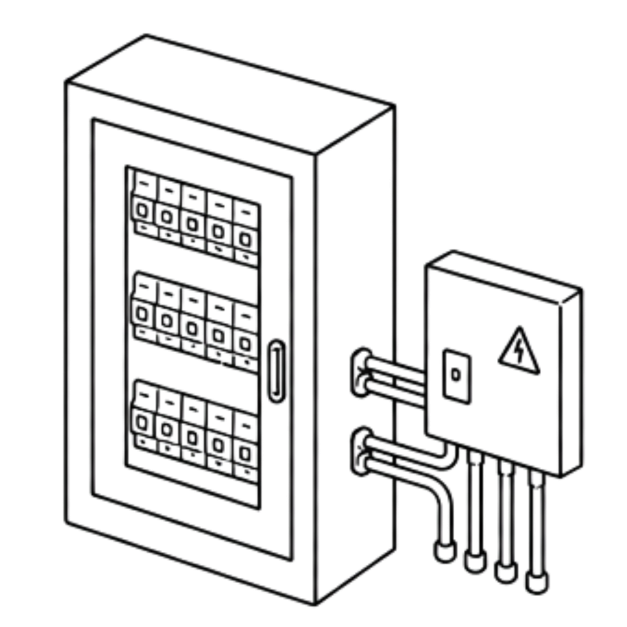
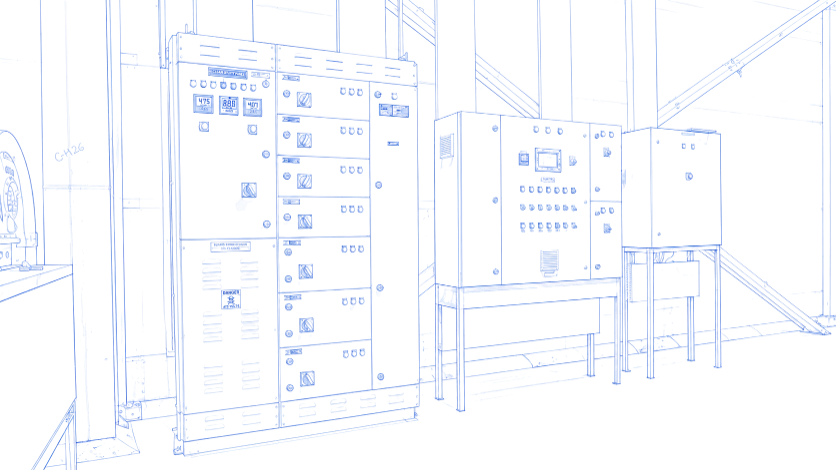
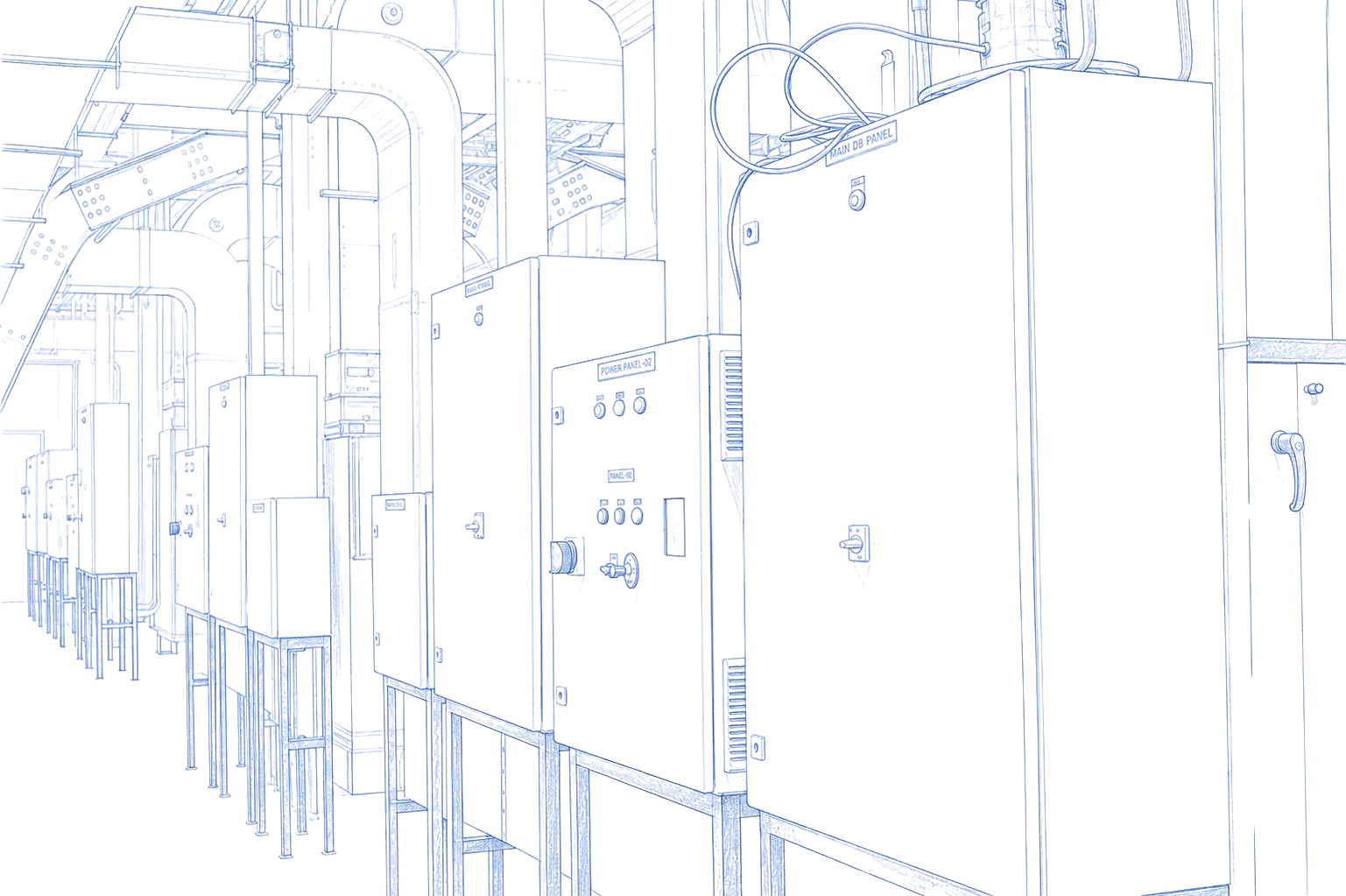
LT panels, distribution boards, RMUs and associated switchgear planned for coordinated facility power distribution.
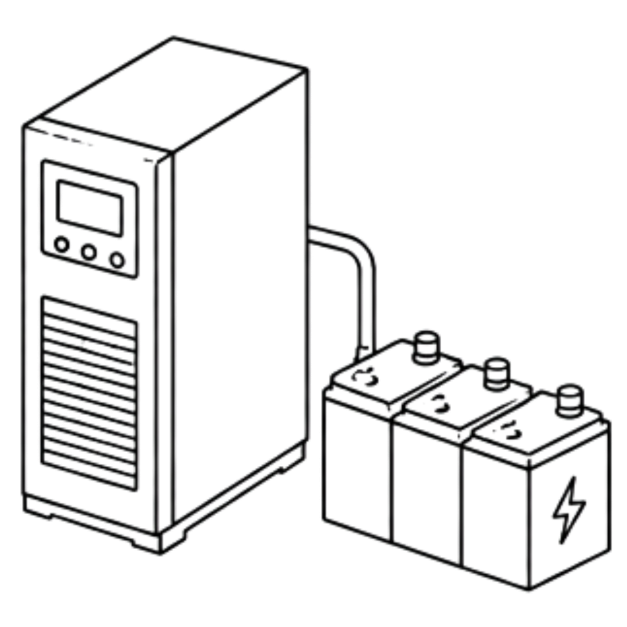
UPS systems sized for critical controls, monitoring systems and other essential pharmaceutical-facility functions.
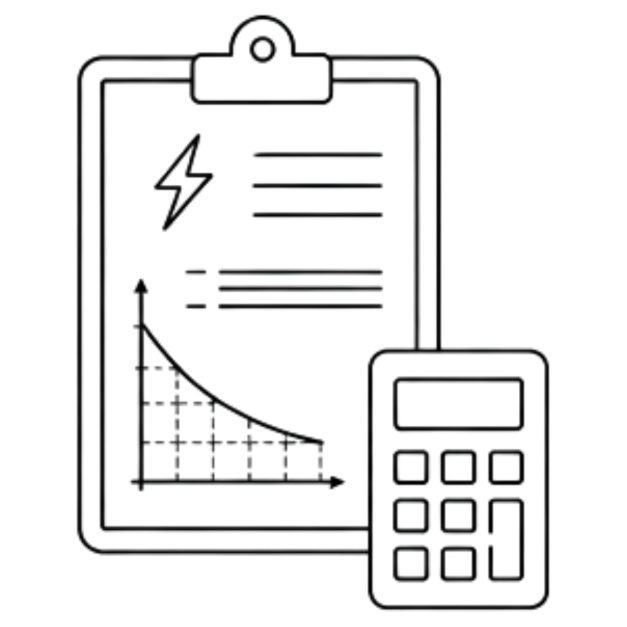
Load and voltage-drop calculations developed to support equipment sizing, circuit design and reliable power distribution across the facility.
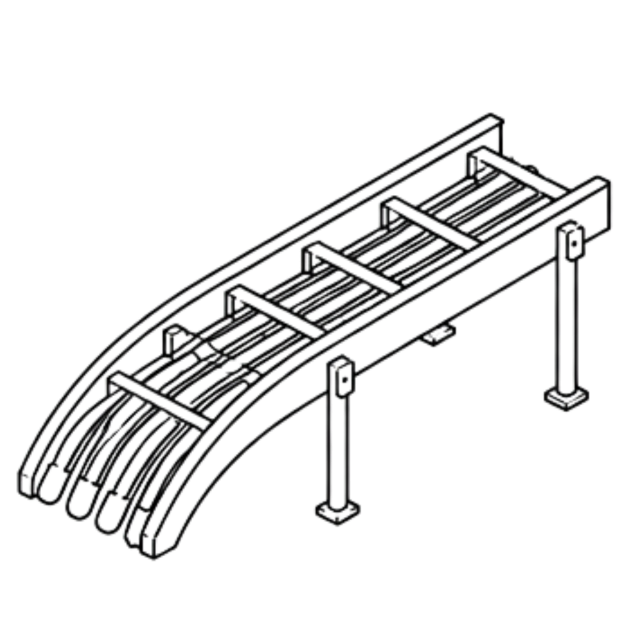
Cable schedules, routing logic and containment systems planned for organised and maintainable installation.
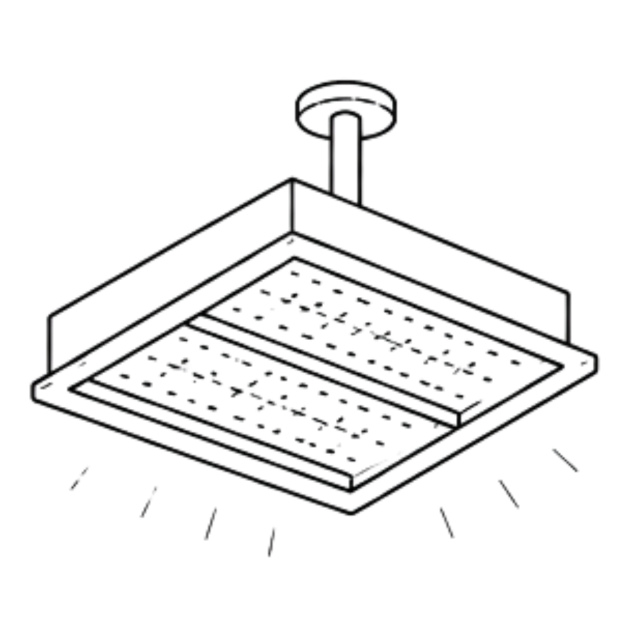
Lighting selected around required lux levels, room functions, safety, cleanroom suitability and maintenance access.
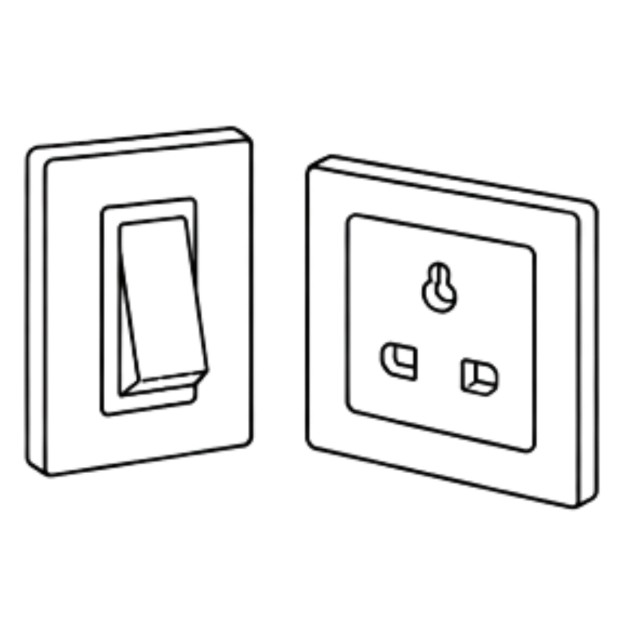
Switches, sockets and power points planned around room usage, equipment requirements and safe accessibility.
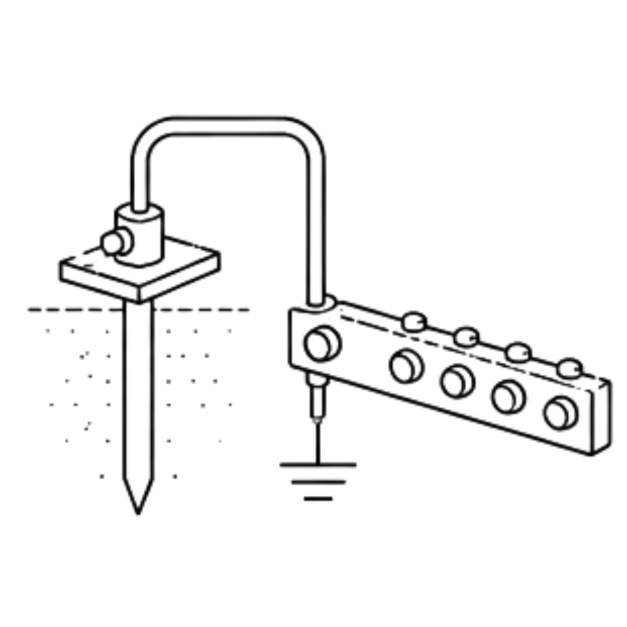
Earthing and bonding systems developed to support personnel safety, equipment protection and system reliability.
Safety provisions are developed around system voltage, fault conditions, operational risk, area classification and maintenance requirements.
Panel construction, protection, access and operator-safety provisions are coordinated according to system requirements and applicable standards.
Protective devices are selected around load, fault level, circuit requirements and required protection against overload, short circuit, earth fault and electric shock.
Lightning-protection requirements are established through risk assessment and coordinated with earthing and surge protection.
Fire alarm power supplies and electrical interfaces are coordinated with the wider fire and life-safety strategy.
Main panels are planned with surge protection devices to protect electrical systems from transient voltage events.
Suitably rated electrical equipment, earthing and installation requirements are coordinated according to the hazardous-area classification, where applicable.
Emergency escape routes are planned with emergency lighting and exit signage support.
Emergency switching and isolation provisions are developed where required by equipment, process and safety needs.
Switchgear such as ACB/MCCB is planned with LOTO provisions to support safe maintenance practices.
Electrical and lighting systems are developed with reference to project specifications, local-authority requirements and applicable international standards.
Note: Applicable references depend on system voltage, equipment type, installation conditions, project location, local-authority requirements and project specifications.
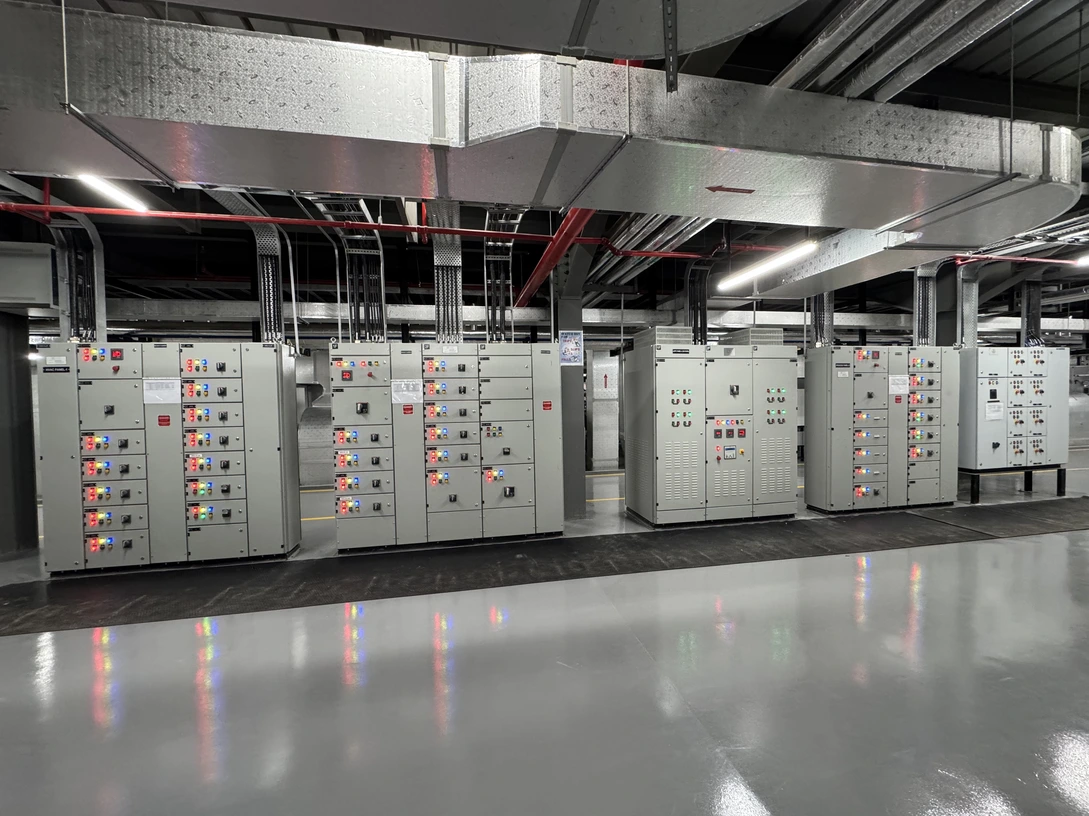
We assess how a power interruption could affect safety, product quality, environmental control, data and operations. Sensitive controls and monitoring systems may require UPS support, while selected equipment and facility systems may need DG backup for longer-duration continuity.
We consider system criticality, expected interruption time, transfer arrangements and operational requirements. Standby capacity or additional redundancy can then be planned where loss of power could affect production, safety or compliance.
We assess voltage variation, harmonics, transient events and other power-quality risks. UPS systems, surge protection, filtering, earthing and suitable distribution arrangements are then considered according to equipment requirements.
Yes. We review existing capacity, cable routes, shutdown requirements and operational constraints before planning the work. Upgrades can be phased through controlled isolations, temporary supplies and planned changeovers to reduce disruption.
We assess transformers, DG sets, UPS systems, panels, feeders and cable routes against the additional demand. This helps identify available capacity, required modifications and any new infrastructure needed before the expansion is finalised.
Depending on the system, testing may include panel inspections, cable continuity and insulation-resistance checks, earthing verification, protection testing, lighting checks and functional testing of DG and UPS systems. Results are documented before handover.
As power distribution and equipment loads are developed, automation and facility-control requirements are coordinated alongside them to align power, controls and system interfaces across the facility.